By Strahan Coleman
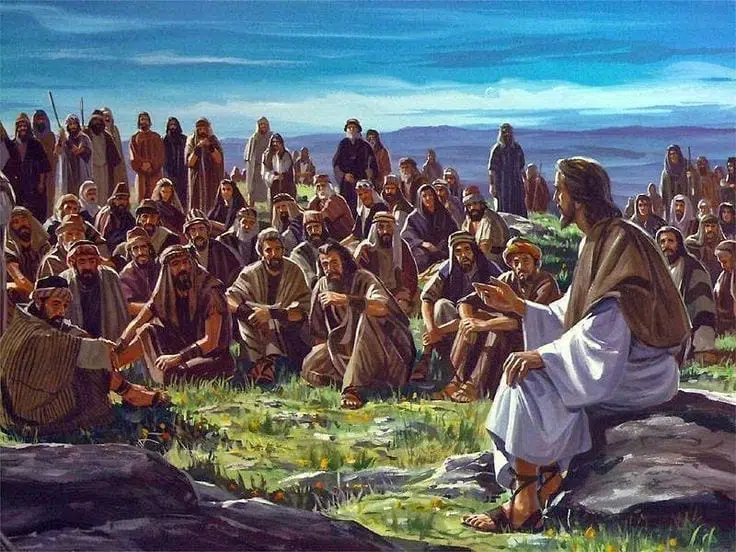
(Based on Luke 10:1-23)
As I’ve reflected on this passage from Luke, I’ve been drawn to think about this first evangelical mission, 2000 years on, to the decade.
We find ourselves today in a strange relationship with this story. The entire world has now heard the Gospel. Today, in 2022, we rest on the shoulders of 200 years especially of profound missional energy, with transportation making people groups and villages available that were totally unimaginable only a century ago.
From these seventy disciples (in the reading) the good news of the kingdom even reached the farthest corner of the globe, here in Aotearoa, on Christmas Day 1814.
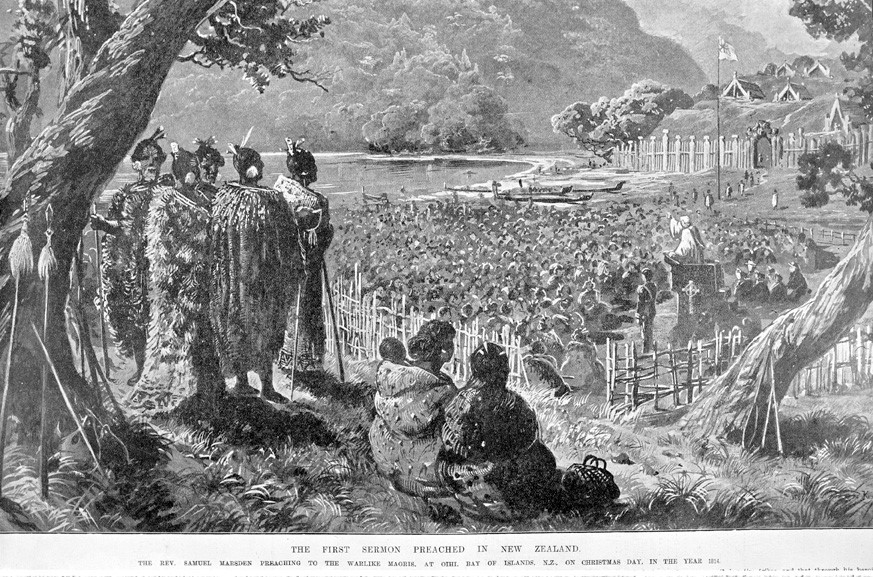
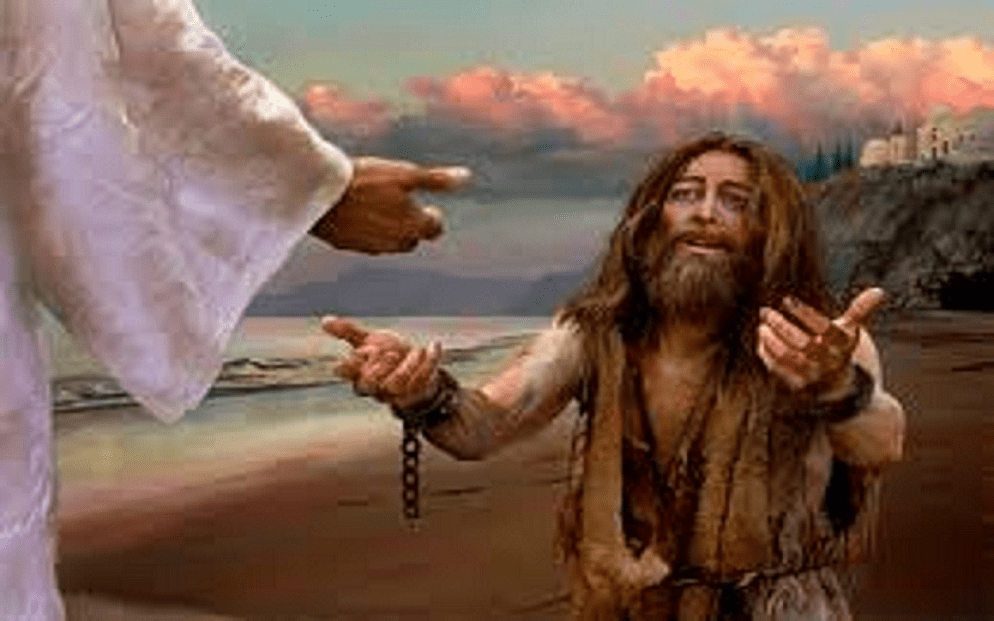
We’re in a very different position today to the audience who first heard the story of the sending of the Seventy. Liberation has come to us all. Our entire world shaped by their faithfulness. In the West, our entire culture is christianised. Not because of so called “Christian nations” or some golden age people like to imagine existed in the not too distant past. But because Christian ideas such as the dignity and worth of every human being regardless of who they are have won over racism, classism and other forms of political oppression of minorities.
The work isn’t finished, of course. But the very fact that society embraces this struggle as crucial is a sign of Christ’s radical transformation of our world.
Roman society at the time of Christ, for example, saw mercy and compassion as weakness. Historian and author Tom Holland in his seminal book Dominion: The Making of the Western Mind tell us that,
“The heroes of the Iliad, favourites of the gods, golden and predatory, had scorned the weak and downtrodden. So too, for all the honour that Julian paid them, had philosophers. The starving deserved no sympathy. Beggars were best rounded up and deported. Pity risked undermining a wise man’s self-control. Only fellow citizens of good character who, through no fault of their own, had fallen on evil days might conceivably merit assistance.”
Christians taught the world mercy, compassion and care for those whom society cast aside. The kingdom of heaven was near.
Now, the sick receive care, children are adopted and fostered, all are educated. These are all the results of Christian theology played out in society. They’re all things that have come from the Christian spirit of care and hospitality. Christians taught that all people were made in God’s image, the kingdom of heaven came near to Western philosophy, and was becoming available to all who would receive God’s offer of peace.
Because the Seventy, then and now, have been faithful.
And yet, despite this profound gift, it seems the world no longer wants the Jesus at the heart of it. “God is dead,” declared Friedrich Nietzsche in the 19th Century. We have apparently outgrown him. Taking all these values and the gifts of mercy, dignity and freedom, secularism claimed it could build its own world.
Having taken what they could from God they cried out with the Psalmist,
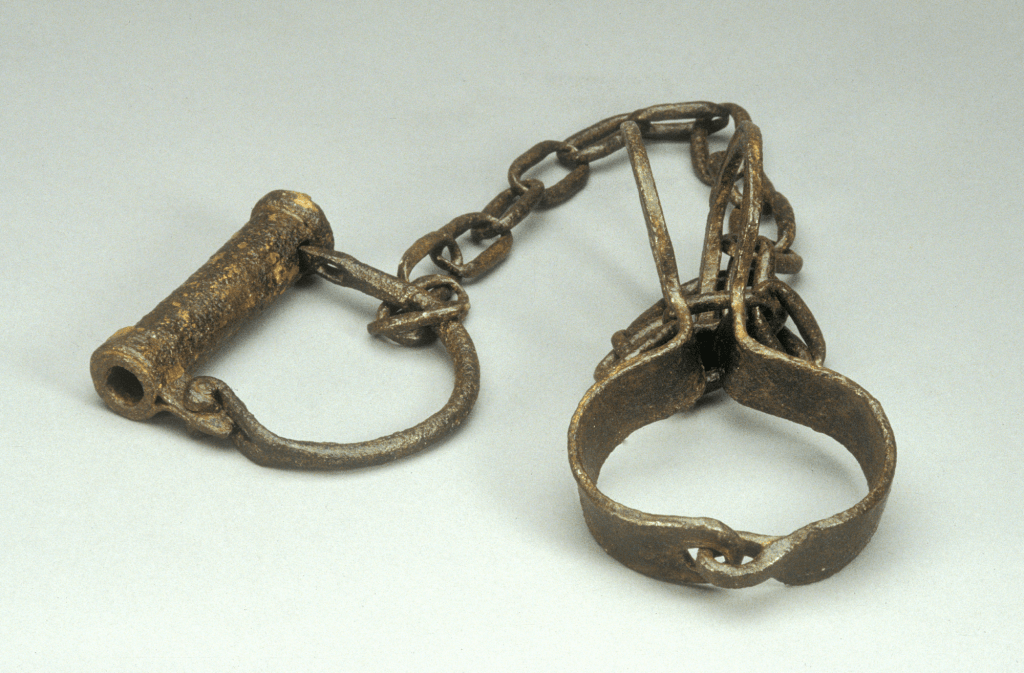
“Let us burst [God’s] bonds apart
And cast away His cords from us.” (Psalm 2:3)
Australian pastor, theologian and social commentator Mark Sayers names this a third culture. Not a pagan or pre-Christian world, not a Christian one either, but a post-Christian society shaped by the history, beliefs and practices of Christianity and yet unhinged from Christ himself. He summarises this third culture powerfully in the line “they want the kingdom without the king”. Christian ethics and morals, a Christian appreciation for dignity and freedom, but devoid of the anchor of the person of Jesus.
With Nietzsche, a post-Christian world seeks liberation from God, not in him.
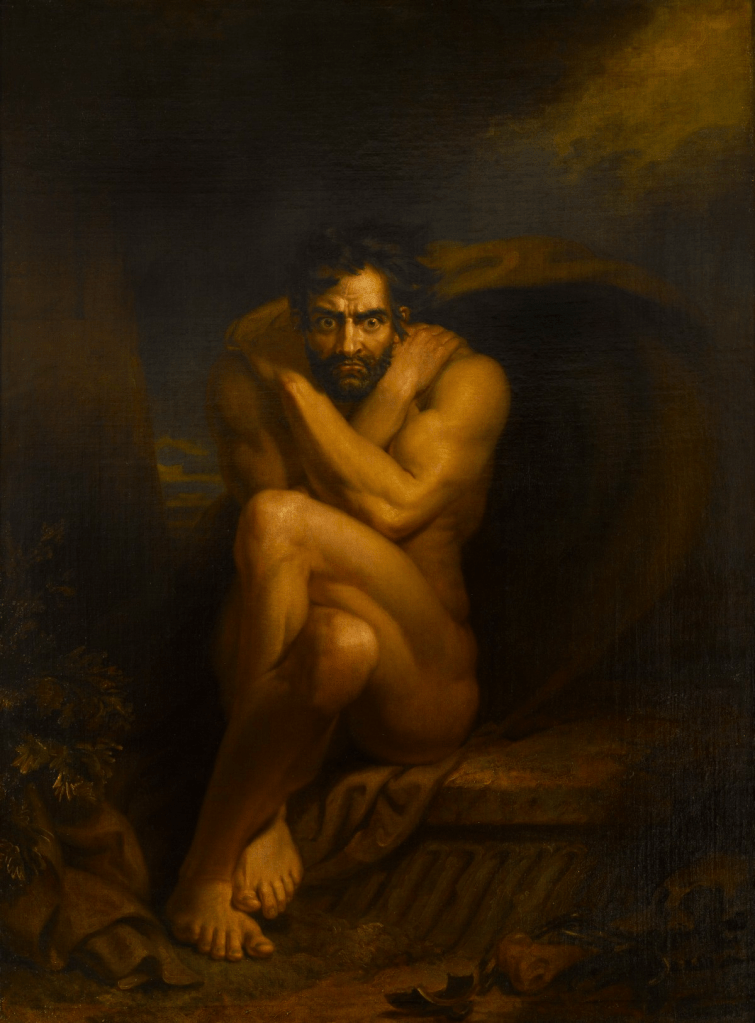
God, to the world, appears as bondage.
This has led culture in a few directions. On the left, a militant liberalism has created ‘cancel culture’, identity politics and a ‘self-ism’ without concrete moral grounding. On the right, conservatism has found its hope in politics, power and return to nationalism for identity and security.
Even the church battles with the temptation to believe secularism’s promise that if we just keep tweaking things, just keep thinking our way there, we’ll be able to bring the world to rights.
We too can fall into a kingdom without the king spirituality. Doing church well, loving and serving our neighbours and fighting injustice, all without the joy and wonder of intimacy and profound love for God.
A life of action, without a life of prayer and devotion.
The Great Commission before the Great Commandment.
But it was always Jesus, and Jesus’s name, that brought the kingdom near, as we read in the Gospels. We can’t have one without the other. To be in the kingdom is to be found in Christ and that means both freedom and liberty as well as self-denial, prayer, and intimacy with God.
When I look around me at many of my peers and those struggling with the church today, I see a tonne of valid hurt, disappointment and frustration with the church.
But I also see this:
I see a generation who want all the good things Jesus offers, the liberation of the kingdom, but not the costly things. Even though we don’t think of closeness with God as costly, its vulnerability, openness and connection can be.
I see a people who want to make love, and liberty and grace, in its own image. Not in the shape of Christ’s.
I see an embrace of God’s patience, and little welcome of his invitation to discipline, self-sacrifice and prayerful adoration.
Even Christians can subtly want the kingdom without the king. Because it helps us to fit in. It costs us less of our hearts. The kingdom without the king embraces the extremes of compassion without conviction, or conviction without compassion. It goes to church and pays a tithe but doesn’t grieve with the grieving or seek satisfaction in God through prayer. The kingdom without the king takes the teachings that make us feel better and rejects those that cause discomfort. It refuses the pain of transformation.
But, worst of all, it wants the kingdom and all it offers without the Person who brings it to us. It prefers an arms-length approach to God. It keeps from him our hearts.
I’d like to propose that today, in honour of what the Seventy have done for two thousand years, it’s our job to place Christ back in the centre of his kingdom where he belongs.
As people in the small towns of a far away isle, we’re called now not only to proclaim, but to embody this divine friendship that changes the world and to display it before a society disconnected from it. To seek Christ’s face in prayer, to abide in him, to long for what he longs for and to live a God-soaked life. To ache for God like the body does for food and water and to embody the whole Gospel in the small town of Tairua we inhabit rather than just accept things as they are.
And to not buy secularism’s version of the kingdom without the anchor of Christ’s centring truth, way and life.
As someone who has been in ministry my whole adult life, I know how easy it is to slip into a “kingdom without the king” way of being. It’s often far easier to preach on a Sunday, pray for someone else, attend church and give a little money than to acknowledge how little I love God, sit with him in the secret places, and find fulfilment in him alone.
Work is a great distraction, even for the church.
Today’s gospel story is incredible; precisely because it’s been so successful. The work isn’t finished, but it has transformed.
We’ve been a great doing church these last few centuries, but without the being in God that this kingdom is meant to offer, we can only preach a half gospel. And not the best half.
Liberation has come via the Seventy to the world, to us, but do we still want him who brought it? Or has the kingdom – of political gain, of social work, of psychology and religion – become more important to us? I know, at times, I can say it has. I think that’s the human heart; it wanders, and we need reminders from time to time of what is deep at the heart of our faith.
I’d like to leave you with these powerful words by St Theresa of Avila, who I think knew just how important it is to personalise God in ourselves and who knew that simply to tell others of the Gospel isn’t enough:
Christ has no body on earth but yours; no hands but yours; no feet but yours.
Yours are the eyes through which the compassion of Christ looks out to the world.
Yours are the feet with which he is to go about doing good.
Yours are the hands with which he is to bless others now.
Yes, we are to go, but we go in Christ. To be Christ to the world, one must be in Christ in ever deepening layers of love and joy. The kingdom can only come near if Christ does.
A prophetic message for our world today. Maybe that is how we honour these Seventy, and continue their work – by bringing Christ himself back to the centre of his world and to the centre of his kingdom by bringing him back to the centre of our hearts.