by Liz Young
(Based on Matt 22:34-46; Lev 19:1-2,15-18; 1 Thess 2:1-8)
In today’s reading from Leviticus we hear, “I the Lord your God am Holy”, and in the epistle Paul asserts that ‘we speak to please God’, and ‘we had courage to declare to you the gospel of Christ’. Matthew’s reading gives us perhaps the most memorable teachings in the New Testament: you shall love the Lord with all your heart, and with all your soul and with all your mind, and you will love your neighbour as yourself.
So my sermon today is on Love.
English is a simple pidgin language, with so many meanings, all in one word! Included in our word Love are elements like eros, maternal love, friendship and agape, charitable love for others.
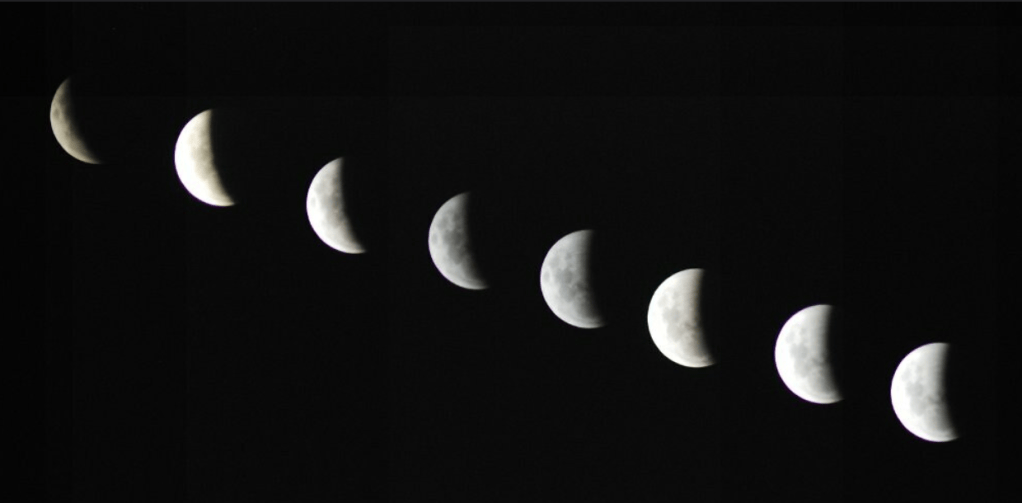
When reading the words ‘I the Lord your God am Holy’, God’s amazing creativity came to mind. When I read in the New Scientist recently about the lunar eclipse, I remembered being at school at the age of nine (in day time), standing with a bit of smoky glass in my hand, and suddenly the world was totally dark for a few minutes. And then, just as suddenly, it was full daylight again.
We see solar eclipses. The moon is slowly receding from earth and it is claimed that over the next six million years eclipses will gradually become rarer, and stop occurring in 1.2 billion years’ time!
To reflect on the Gospel reading, and God’s two great commandments, we need surely love God with emotion, love spiritually and love intellectually; and for me that means, ‘love with your frontal cortex, love with your temporal cortex and love with your midbrain’! These notions stem from our generation’s knowledge of neuroanatomy, but love is eternal: think how Alfred the Great, whose life we celebrate tomorrow, love his people; how Abelard and Heloise loved God and each other. They were medieval preachers, who loved each others’ minds and thinking.
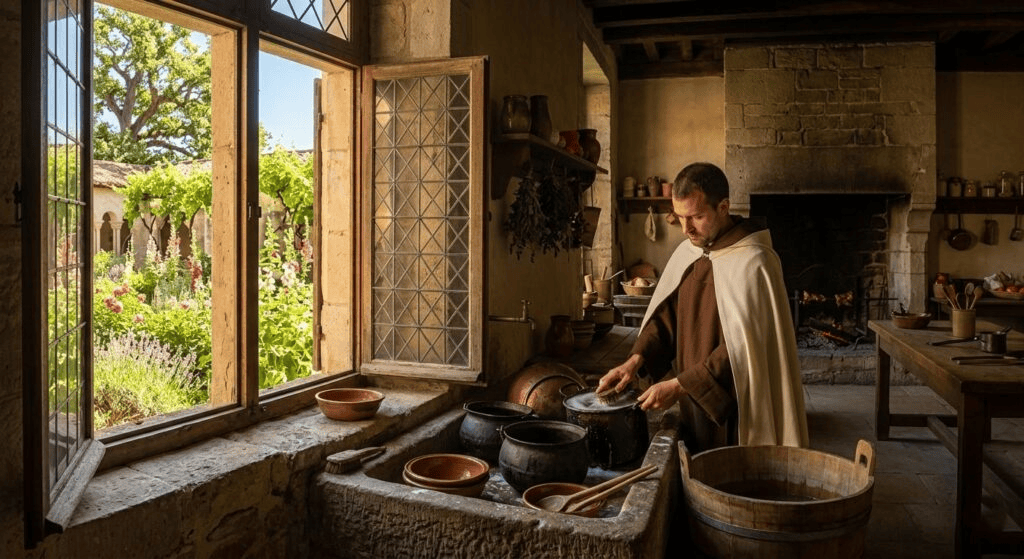
My love of God has been influenced by a little book I inherited from my grandfather, The Practise of the Presence of God, given to him at the time of his ordination. They were the thoughts of a 16th century lay brother (Brother Lawrence) who worked in the kitchen of a Carmelite monastery. He would spend his down time in the kitchen garden, meditating on the love of God. He said “that we should practise being aware of God’s presence around us, by continually conversing with Him, God”. He also said, “Don’t worry about daily traumas, and somebody else’s sinning, because God knows about them, and he will remedy the results of them and their sinning in his own time.” He said that God will always help us with our decision making if we truly desire to serve him.
How many of you enjoy going into the garden, pulling out a few weeds, letting your mind wander while you sort out your thoughts and problems?
Most of us can experience love for others. A few, we call psychopaths, can only love themselves. But our own understanding and acceptance of God’s love is affected by our personal experience of how have we have loved and been loved during our lives. Many people first turn to God when they’re worried or hurt: I’ll repeat myself, and say we cannot love unless we have experienced love ourselves (indeed, in the first nine months of our lives).
Wondering about how our concept of loving God and how we should love others varies from that of medieval worshippers … to today’s ideas about love … I wonder how my concept of love differs from my grandchildren’s. I know that other cultures have different concepts about love. I am so grateful for all the love you here, and others in Tairua, have shown me over the past year. I also love visiting the Op Shop, where every one of the helpers makes a conscious effort to care for each other.
So, today think about all the forms of love in your lives. Accept the love given to you with thankfulness, and leave here vowing to show more love to others, especially to those in your family. Tell them you love them, help those in your neighbourhood, those who irritate you and the strangers you will meet this week, and share your thoughts out loud; let your family and friends know that you appreciate their love. And remember that with love might come understanding, forgiveness and reconciliation.

