by Liz Young
Although today’s reading highlights the Beatitudes, today I plan to offer praise and thoughts for creation, and ponder how we have often failed to care for the environment. I will propose we should increase our efforts to care responsibly for the earth and all its wonders, and also advocate for legislation that protects the earth’s resources, and their fair distribution.

Man started interfering with Nature when the world’s population was only about 100,000 and, even when we were hunter gatherers, we altered the distribution of earth’s flora and fauna as we chose what game we would kill and what edible plants we would gather, and which ones tasted nice and sweet to cultivate. Fire and cooking were blessings, as they increased the calorific value of what we ate. Now the earth’s population is more than eight billion, and concrete and comfortable dwellings cover a significant proportion of arable land, which has always been limited by the mountains and the sea anyway; and, as well, we’re running out of traditional energy resources.
It is possible for man to live sustainably: the islanders on Tikopia (in the Solomon Islands) have lived on one tiny island for over a thousand years, cultivating it carefully and limiting their population growth.
The world started getting into trouble when we limited deaths from infectious disease and then deaths from cancer and coronary heart disease.
It certainly makes economic sense for the New Zealand government to reintroduce smoking! Those who indulge die off at around age sixty, and won’t fill up retirement homes as Alzheimer’s patients!
Yes, the introduction of the pill has made contraception available to women increasing their independence, if they can afford it, although the pill needs to be stored in a fridge in the tropics, so is of limited value to women there.
Several of today’s hymns praise God for the natural world around us.
Although I was amazed to see two large kauri in Madeira that had been planted in the 17th century, it wasn’t until the 18th century that appreciation of natural beauty increased in Europe: French and English explorers, in particular Sir Joseph Banks, sent home strange plants to Kew gardens.
As climate change brings more devastation, we need to keep those seed banks secure. Some of you may remember that in the sixties we were given dire warnings that the world would run out of food. But since then more productive strains of food have been developed and at last New Zealand is looking at genetic engineering more positively.
Thanks to Sir David Attenborough and others, television has revealed many natural wonders to us over the past seventy years. These wonders occur in the depths of the earth, in the crevices of volcanoes and 60,000 feet deep at the bottom of the oceans, and in the many karst cave systems. There are plants, the amazing root systems of trees that communicate with each other, fungi and insects, fish and plankton.
Let God fill you with wonder and joy at all that he has created. And being filled with joy, let us be happy to share his bounty with those that are less fortunate than most of us here.
I was happy to see that people are now leaving their spare produce outside the library, because I expect those who are struggling to feed their families prefer to keep their difficulties to themselves.
The Old Age pension is no longer enough to live off, especially if you’re renting, and our Council doesn’t want social housing on the east coast of the Coromandel in case it encourages surfers! But we senior retirees need help with our housework and our gardens, and that could always be done when the sea is calm as long as they (the surfers) don’t want to waste petrol driving all the way to Raglan.

Up to 95 per cent of our food can be from plants. My John looks after our veggie garden. We’ve stopped growing potatoes because they take up too much space, but I always plant two kumara, a month before we leave on our annual February sailing holiday, so that the kumara leaves act as weed mat while we’re away. I just regret that I didn’t think to plant a pine nut and a fig tree twenty years ago when I planted our other fruit trees.
Thinking about abundant garden produce makes me think of food storage. How many of you bottle fruit still? Or have a large enough freezer to hold enough excess garden produce to last you through the winter? I remember leaving our one acre garden in the UK thinking, I won’t ever have to bottle again, only to be shown my cousin’s larder in Morrinsville, stuffed full of bottled fruit. That UK garden had thirty apple trees, which I only looked at closely after my mother died and found at least half of them were diseased.
I’m grateful here for the constant service provided by our primary industries in the war against pests.
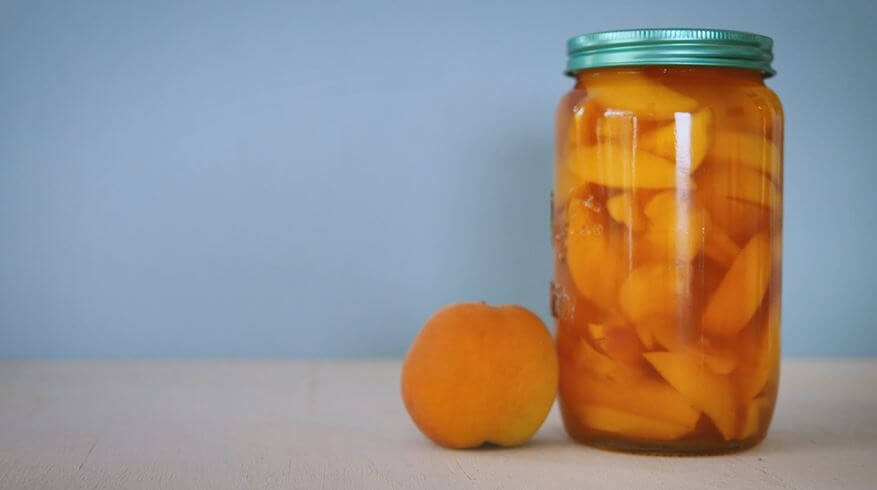
So, give thanks for creation – for its beauty, for being able to walk through forests and calm our anxieties, for all the food and healing herbs God has provided us with. And let us share his bounty with as many others as possible. Amen
 stfrancischurchtairuanz