by Liz Young
(Based on Matt 22:15-22)
Render unto Caesar the things that are Caesar’s and unto God the things that belong to Him.
As well as proposing the readings for today, the lectionary reminds us to honour, well, Cyrus the Great, emperor of Persia (now Iran), and Alfred the Great who burnt the cakes – leaders who were also great thinkers. Tuesday is the day set down for praying for the United Nations. So, let us pray that our newly elected leaders have the grace and wisdom to govern wisely.
We each of us will have our own heroes of this age – Mother Teresa and Desmond Tutu spring to mind – but we may also have unsung heroes; let’s each honour and thank God for the unsung heroes in our lives.
But back to the Gospel reading. Why did the Romans collect taxes? To pay their army that kept their huge empire, that covered Europe, the Middle East and the northern coast of Africa, at peace. An army whose legionnaires came from all corners of Europe, including the blond Angles whose cheeks were painted blue with woad. And for those legionnaires, the army was their family. Those Roman legionnaires, in Jesus’s time, may have found keeping the peace in Israel a little irritating: the Jews tended to be argumentative. They were a ‘stiff necked’ people who wanted their independence, the echoes of those times resonating now as Jews and Mohammedan Arabs fight over that same narrow strip of land today.
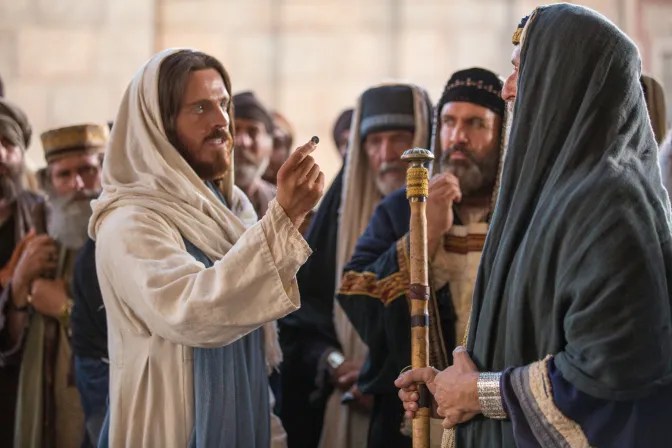
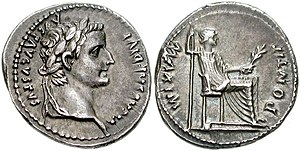
The whole of Matt Chap 22 is devoted to instances where the Pharisees were hoping to catch Jesus out for false teaching. They were the honoured teachers of the Law, and he’d criticized them for honouring the text but not necessarily the Spirit of the Law. Think of the implied criticism of the Pharisee in the story of the Good Samaritan. In Jesus’s day tax collectors were unwelcome among the general populace, but Jesus enjoyed their company, as he enjoyed all peoples. Taxes were paid in coin and when presented with a coin with the Emperor Tiberius’s head on it, Jesus disconcerted the Pharisees with His words, “render unto Caesar the things that are Caesar’s and the things that belong to God to Him”. He didn’t counsel acceptance of political authority; but neither did he incite rebellion.
How should we as Christians respond to authoritarian political systems?
[Remembering the rise of the Nazi party from 1932, surely we should condemn authoritarian regimes from the moment they emerge.]
Returning to our times, very little of our tax money goes to pay our army, or to protect our borders – though we do have to protect our fishing grounds and those of the islands in the South Pacific. A much higher percentage of our taxes is spent on health and education, and support for the poor. I’d like us to make it clear to our politicians that most of us would like even more spent in these areas. And I, like many others, would be happy to pay death duties, though I haven’t asked my children about this!
Being a retired paediatrician, I know that money spent on our children’s future pays off in the long term. I may be wrong, but I feel we have invested far too little on education, and many New Zealand parents do not value good education enough. Why are many Asian children top of their classes? Is it because their parents push them? I and my children were of an era when you decried swotting for intellectual success, attributing it to luck. Today our teachers are paid the minimum; we need to pay them more, and let them know we value them. How many of us would like to spend the day controlling thirty kids, many of whom feel they have the right to act individually? How much easier it would be to be a teacher of a class of NZ Asian children who want to learn, and want to fit in with the group, than to teach thirty unruly individuals, who just want to be outside.

What else do we need to spend our taxes and our rates on?
Our roads, our infra structure, our water quality … there’s quite a list. I do acknowledge that the rich, those who can pay for the best legal and investment advice, pay less tax than they should do. But we baby boomers have enough financial support in our retirement, mostly because we had free education and a friendly job market.
Let us encourage our politicians to spend more on our youth and the socially disadvantaged. Most people want paid employment, and most of our social support comes from those we work with. Yes, perhaps five per cent of our population are unemployable and we need to accept our responsibility to support them, but let’s also make a pathway to employment achievable for those who want to work, whether they’ve been in prison or made a foolish mistake, or not.
To move on, I’m a great believer in giving ten per cent of my disposable income to charity. Although I do have a standard reply to those annoying 5pm phone calls: that my charitable budget is 90% fixed, so please don’t interrupt my relaxation time!
So, I encourage you, when you pay your taxes, to think of who will benefit from our well earned money. It may make you feel better.
Jesus was being condemned by the Pharisees for upsetting the status quo. (Are we ourselves prepared do that?)
But how do we recognize what belongs to God and what we should give Him? Perhaps through a thankful heart. How should we spend our energy, how should we live as Christians? Quoting Marcus Borg (American New Testament scholar and theologian), “We should pay absolute allegiance to our ultimate God, rendering our entire selves to him without preconditions or limits, without hedging our bets. This is a higher and harder calling, that will take us a lifetime.”
 stfrancischurchtairuanz